
Helping Children Understand and Manage Emotions
Understanding feelings and emotions is essential for children’s wellbeing and development. At 1decision, our Feelings and Emotions learning area provides a carefully sequenced, age-appropriate progression that builds pupils’ emotional awareness year on year.
Pupils learn to recognise, label and manage a range of emotions, developing strategies to respond positively. As they progress, they build a strong emotional toolbox, including understanding loneliness and managing grief. By Year 6, pupils are equipped with the skills needed for transition to secondary school and the challenges they may face. Immersive video scenarios and embedded assessments support reflection, identify gaps and ensure every child is supported.
Click below to review the knowledge organisers for this area.
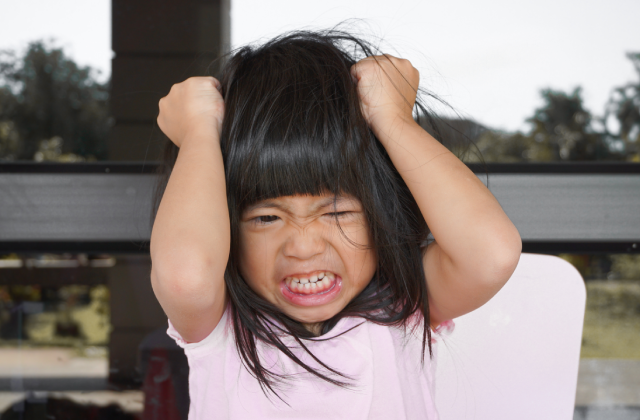
In Year 1, children begin to develop an early understanding of feelings in everyday situations. They share their ideas about different emotions and recognise how feelings can affect their bodies and behaviour. Children learn to name a range of feelings and understand the difference between pleasant and unpleasant ones. They explore simple ways to express their feelings through words and actions and learn basic strategies to help manage uncomfortable emotions.
In Year 2, children deepen their understanding of feelings and emotions by learning how emotions such as anger and worry can affect their thoughts, behaviour and bodies. They learn to recognise and name these emotions and identify situations that may cause them. Pupils explore ways feelings can be communicated through words, actions and body language. Through discussion and activities, children practise simple strategies to manage uncomfortable emotions and express their feelings in positive ways.
In Year 3, children broaden their understanding of feelings and emotions by learning about grief and loss in an age-appropriate way. They explore how experiences of loss can affect how people feel, think and behave, and recognise the emotional and physical responses that may occur. Pupils build on their understanding of pleasant and unpleasant emotions and consider situations that may cause different feelings. Through discussion and activities, they practise strategies to manage and express emotions in positive ways.
In Year 4, children re-establish what they already know about feelings and emotions before building on this through more complex learning. They revisit how different situations can cause a range of emotions and identify strategies to help manage and express their feelings in positive ways. Pupils explore more challenging emotions and recognise the physical and emotional responses these feelings may bring. Through discussion and activities, they consider how their responses can affect themselves and others.
In Year 5, children further develop their understanding of feelings and emotions by exploring how anger can be triggered and how it may affect thoughts, behaviour and physical reactions. They consider how anger can influence actions and relationships and learn to evaluate helpful and unhelpful responses. Pupils practise strategies that support positive ways of managing strong emotions. Through discussion and activities, they reflect on the views of adults and children beyond the school setting to build their understanding.
In Year 6, children consolidate and extend their understanding of feelings and emotions as they prepare for new experiences and greater independence. They explore how emotions such as worry may arise during times of change, including the transition to secondary school, and how these feelings can affect thoughts and behaviour. Pupils develop strategies to manage emotions in positive ways. They also reflect on communicating worries, seeking support from trusted people and taking responsibility for their emotional wellbeing.