
Developing Lifesaving Knowledge and Confidence
Understanding how to respond in an emergency is a vital life skill for every child. At 1decision, our Fire Safety and First Aid learning area provides a carefully sequenced, age-appropriate progression that builds pupils’ knowledge and confidence year on year.
Pupils explore who helps keep us safe in the community, including the role of the fire service, and learn how to stay safe at home and beyond. As they progress, they develop knowledge and skills that go beyond statutory expectations, gaining an understanding of how to respond to a range of first aid situations if needed. Immersive video scenarios and embedded assessments support decision making, identify gaps and ensure children feel confident to act in an emergency.
Click below to review the knowledge organisers for this area.
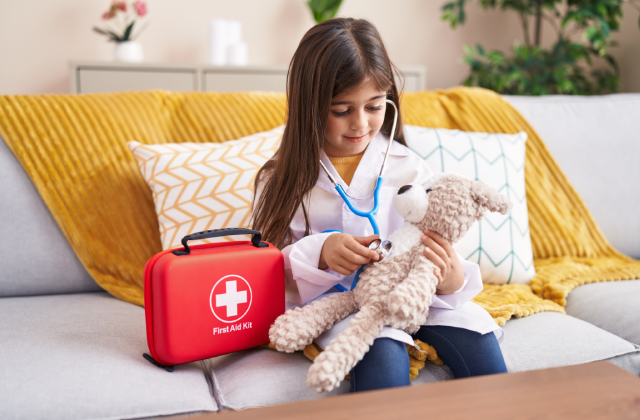
In Year 1, children begin to develop an early understanding of the people and services that help keep communities safe. They explore their ideas about emergencies and learn about the roles of emergency services, with a particular focus on the Fire Service. Pupils begin to recognise how their actions can affect others and understand why hoax calls are dangerous. Through discussion and activities, they learn simple ways to stay safe and share their knowledge of fire safety.
In Year 2, children deepen their understanding of fire safety and personal responsibility. They explore how certain actions can be potentially dangerous and recognise the difference between safe and risky choices in everyday situations. Pupils practise simple ways to stay safe and identify how they can find help if needed. They also consider how their actions affect others and develop a growing awareness of the importance of behaving responsibly to help keep themselves and those around them safe
In Year 3, children broaden their understanding of fire safety by exploring how their actions and choices can affect the safety of others. They learn to recognise situations where behaviour may create risk, including how drivers can become distracted, and consider ways they can help keep people safe. Pupils develop their understanding of the difference between safe and risky choices. Through discussion and activities, they consolidate their knowledge before progressing to first aid topics.
In Year 4, children re-establish what they already know about the people and services who help keep us safe before building on this through learning about first aid. They revisit how to recognise situations where someone may need help and begin to identify signs that a person may be struggling to breathe, such as during an asthma attack, choking or an allergic reaction. Pupils explore how to seek emergency help and learn simple first aid actions until support arrives.
In Year 5, children further develop their understanding of how to respond in emergency situations by learning a range of first aid skills. They explore how to carry out a primary survey and recognise when someone may need urgent help. Pupils learn when to call emergency services and practise techniques such as the recovery position and CPR. They also learn how to support someone with a head injury, seizure or severe bleed until help arrives.
In Year 6, children consolidate and extend their understanding of first aid by recognising a wider range of situations where someone may need medical help. They explore how to respond safely to injuries or illnesses such as burns, fractures and suspected heart attacks. Pupils consider the importance of acting calmly and responsibly in an emergency and develop the confidence to apply their first aid knowledge, while understanding these are important skills they will hopefully never need to use.