
Developing Safe, Confident Decision-Makers
Developing Safe, Confident Decision-Makers Schools play a crucial role in keeping children safe, giving them the knowledge, awareness and confidence to make the right choices in real-life situations. At 1decision, our Keeping and Staying Safe learning area delivers a carefully sequenced, age-appropriate progression that builds year on year.
Pupils explore hazards, staying safe in the community, road and water safety, rail and sun safety and more, while learning how to identify trusted adults. Immersive, alternative-ending video scenarios support real-life decision making, while embedded assessments help schools identify gaps and track progress, ensuring every child develops the confidence to stay safe - even when adults are not around.
Click below to review the knowledge organisers for this area.
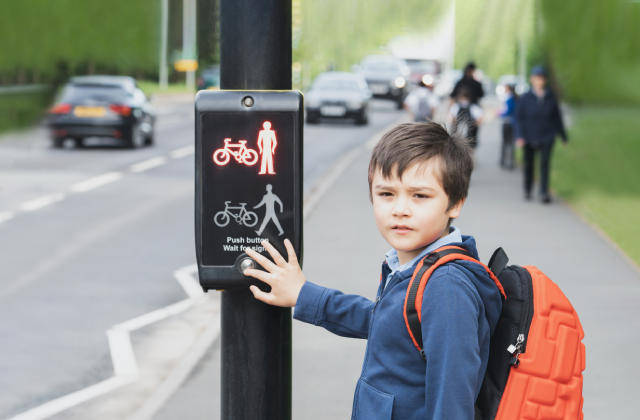
In Year 1, children build an early understanding of how to stay safe in everyday situations. They explore their existing ideas about safety across familiar environments such as home, school and the wider community, beginning to recognise situations that may involve risk and identify safe and unsafe choices. Children learn simple strategies that help keep themselves and others safe and understand how to ask a trusted adult for help. They also develop their understanding of road, passenger and pedestrian safety, including recognising safe places to cross and why these rules are important.
In Year 2, children deepen their understanding of personal safety and responsibility. Using everyday examples such as learning to tie shoelaces, they begin to recognise how simple actions can help prevent accidents and develop a broader awareness of risk. Pupils learn to identify situations that may be risky, understand the difference between safe and unsafe choices, and explore rules that help keep themselves and others safe. They also consider ways to stay safe in the community and identify trusted adults who can help when needed.
In Year 3, children broaden their understanding of safety by exploring potential risks in familiar environments, particularly at home. They learn to recognise common warning signs, identify possible dangers, and understand the difference between safe and risky choices. Pupils develop their understanding of the importance of listening to trusted adults and following guidance that helps keep themselves and others safe. Through revisiting earlier learning, quizzes and activities, children consolidate their knowledge, strengthening their understanding before progressing to more complex safety topics.
In Year 4, children re-establish what they already know about keeping safe before building on this through more complex learning. They revisit how to recognise risks and identify strategies that help keep themselves and others safe in a wider range of situations. Pupils explore the possible consequences of accidents or incidents and consider how their actions affect others. They also learn about cycle safety and the importance of listening to trusted adults.
In Year 5, children further develop their understanding of how to keep themselves and others safe by exploring how choices, influences and peer pressure can affect decision making. They identify strategies that support safe behaviour and consider how to respond confidently when they feel pressured by others. Pupils explore the possible consequences of risky actions. Through discussion and activities, they reflect on the views of adults and children beyond the school setting to deepen their understanding.
In Year 6, children consolidate and extend their understanding of how to keep themselves and others safe by recognising a wider range of risks and warning signs. They explore strategies that help prevent accidents and promote safe behaviour in different situations. Pupils consider the consequences of unsafe actions and develop the confidence to justify responsible choices. As they prepare for greater independence, they learn when to seek support and identify trusted people who can help maintain their safety and wellbeing.